
As HVAC professionals, we understand that homeowners often have questions about their heating, ventilation, and air conditioning (HVAC) systems. To provide clarity and address common concerns, we’ve compiled a list of frequently asked questions along with informative answers.
What is HVAC?
HVAC stands for Heating, Ventilation, and Air Conditioning. It refers to the system responsible for regulating indoor temperature, humidity, and air quality in residential and commercial buildings.

How often should I change my air filter?
It’s recommended to change your air filter every 1 to 3 months, depending on factors such as filter type, indoor air quality, and household occupancy. Regular filter changes promote better airflow, energy efficiency, and indoor air quality.
What is a programmable thermostat, and how does it benefit me?
A programmable thermostat allows you to set different temperature schedules for different times of the day or week. This helps optimize comfort and energy efficiency by automatically adjusting temperatures based on your schedule, saving you money on energy bills.

How can I improve indoor air quality?
There are several ways to improve indoor air quality, including:
- Regularly changing air filters
- Installing air purifiers or filtration systems
- Proper ventilation
- Managing humidity levels
- Eliminating sources of indoor pollution (e.g., smoking, cooking fumes)

What are the benefits of regular HVAC maintenance?
Regular maintenance helps keep your HVAC system running efficiently, reduces the risk of breakdowns, extends equipment lifespan, and ensures optimal comfort and air quality. It also allows technicians to identify and address potential issues before they escalate into costly repairs.
What is duct cleaning, and is it necessary?
Duct cleaning involves removing dust, debris, and other contaminants from HVAC ductwork to improve indoor air quality and system efficiency. While not always necessary, duct cleaning may be recommended if there is visible mold growth, excessive dust buildup, or if occupants experience respiratory issues.
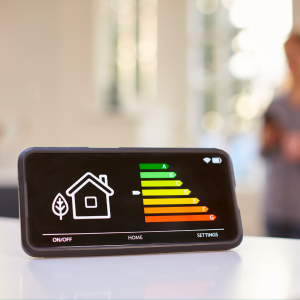
How can I make my HVAC system more energy-efficient?
To improve energy efficiency, consider:
- Upgrading to ENERGY STAR certified equipment
- Sealing air leaks in ductwork and around windows/doors
- Adding insulation to walls, attic, and basement
- Installing programmable or smart thermostats
- Scheduling regular HVAC maintenance
What is the lifespan of an HVAC system?
The lifespan of an HVAC system varies depending on factors such as equipment quality, maintenance, usage, and climate. On average, furnaces last 15-20 years, air conditioners last 10-15 years, and heat pumps last 10-15 years.

When should I call a professional HVAC technician?
You should call a professional HVAC technician if you experience any of these issues:
- Inadequate heating or cooling
- Unusual noises or odors
- Frequent cycling or uneven temperatures
- High energy bills
- Poor indoor air quality
- Any other signs of HVAC system malfunction or inefficiency
We hope these FAQs provide valuable insights into HVAC systems and services. If you have additional questions or need assistance with your HVAC needs, don’t hesitate to contact us. Our team of experts is here to help ensure your comfort and satisfaction.